
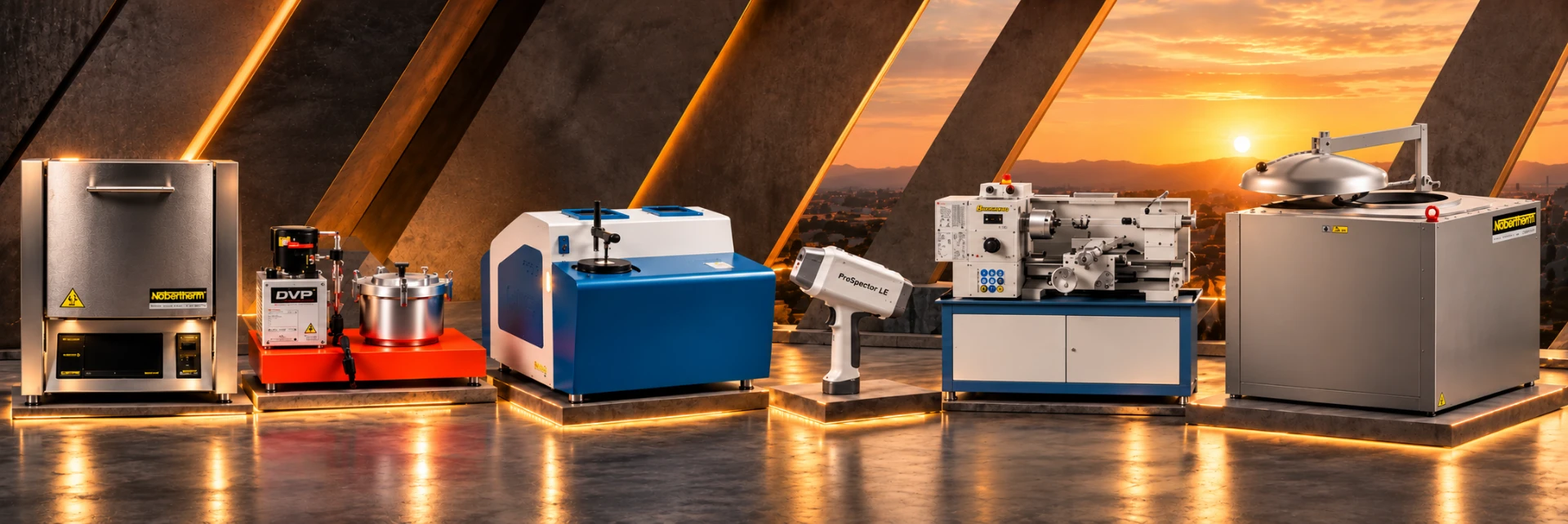
Quality control of recycled aluminium ingots
ACORDO applies quality controls to support conformity with agreed alloy specifications, consistent production, traceability and customer requirements. The checks accompany the material from melting and degassing, through casting, to the delivery of the ingots and their documentation.
Control parameters
What we verify on every batch
Control 01
Chemical composition
Verification against specified chemical limits.
Control 02
Alloy specification
Compliance with the agreed alloy grade and customer requirements.
Control 03
Spectrometer analysis
Measurement of alloying and residual elements.
Control 04
Hydrogen level measurement
Measurement of hydrogen content in molten aluminium to evaluate melt quality and degassing effectiveness.
Control 05
Weight control
Verification of ingot weight against agreed specifications.
Control 06
Traceability
Identification of production batches and associated quality records.
Control 07
Surface / visual inspection
Inspection for visible defects, casting irregularities and contamination.
Control 08
Quality certificate
Provision of chemical analysis results and relevant batch documentation, as agreed.
Control 09
Customer-specific specifications
Compliance with agreed chemical composition, dimensions, weight and documentation requirements.
Quality control process
From melting to shipment
Step 01
Melting and degassing
Step 02
Hydrogen measurement and spectrometer analysis
Step 03
Casting and weight control
Step 04
Visual inspection and traceability
Step 05
Quality documentation and shipment
Alloys supplied
Alloy overview
Aluminium 7050
High-strength aerospace alloy with fatigue resistance and strong resistance to stress-corrosion cracking.
Key features
- High strength and fracture toughness
- Good stress-corrosion and exfoliation-corrosion resistance
- Often selected for thick plate and structural parts
Applications
Fuselage frames, bulkheads, wing structures
Typical forms
Plate, sheet, bar
Aluminium 7175
High-strength 7xxx-series alloy used in structural applications where fracture toughness and stress-corrosion performance are important.
Key features
- High mechanical strength
- Improved resistance to stress-corrosion cracking in the T73 temper
- Weldability is generally poor; mechanical fastening is preferred
Applications
Aircraft structural parts, fittings and high-strength components
Typical forms
Plate, sheet, bar
Aluminium 2024
Aluminium-copper alloy valued for high strength and fatigue performance, especially in aerospace sheet and plate applications.
Key features
- High strength-to-weight ratio
- Good fatigue resistance and machinability
- Corrosion resistance is lower than many 6xxx alloys; protection may be required
Applications
Aircraft skins, fuselage structures, machined parts
Typical forms
Sheet, plate, bar
Aluminium 6061
Versatile heat-treatable Al-Mg-Si-Cu alloy offering a balance of strength, corrosion resistance and workability.
Key features
- Good general-purpose strength
- Good corrosion resistance and machinability
- Weldable with appropriate procedures
Applications
Structural components, transport, machinery and general engineering
Typical forms
Extrusions, plate, sheet, bar
Aluminium 6063
Al-Mg-Si alloy well suited to extrusion, with good surface finish and corrosion resistance.
Key features
- Excellent extrudability and surface finish
- Good corrosion resistance
- Typically lower strength than 6061 in comparable conditions
Applications
Architectural profiles, frames, heat sinks and tubing
Typical forms
Extruded profiles, tube
Aluminium 6060
Al-Mg-Si extrusion alloy known for good surface quality and suitability for complex profile shapes.
Key features
- Very good extrudability
- Good anodising and surface-finish potential
- Moderate strength and good corrosion resistance
Applications
Architectural profiles, window/door frames, general extrusions
Typical forms
Extruded profiles, tube
Chemical composition comparison (weight %)
Typical published composition limits for common wrought-alloy designations. Values are indicative; the applicable standard and purchase specification take precedence.
| Alloy | Si | Fe | Cu | Mn | Mg | Cr | Zn | Zr | Ti | Al (min.) |
|---|---|---|---|---|---|---|---|---|---|---|
| 7050 | ≤0.12 | ≤0.15 | 2.0–2.6 | ≤0.10 | 1.9–2.6 | ≤0.04 | 5.7–6.7 | 0.08–0.15 | ≤0.06 | Remainder |
| 7175 | ≤0.15 | ≤0.20 | 1.2–2.0 | ≤0.10 | 2.1–2.9 | 0.18–0.28 | 5.1–6.1 | — | ≤0.10 | Remainder |
| 2024 | ≤0.50 | ≤0.50 | 3.8–4.9 | 0.30–0.9 | 1.2–1.8 | ≤0.10 | ≤0.25 | — | ≤0.15 | Remainder |
| 6061 | 0.40–0.8 | ≤0.70 | 0.15–0.40 | ≤0.15 | 0.8–1.2 | 0.04–0.35 | ≤0.25 | — | ≤0.15 | Remainder |
| 6063 | 0.20–0.6 | ≤0.35 | ≤0.10 | ≤0.10 | 0.45–0.9 | ≤0.10 | ≤0.10 | — | ≤0.10 | Remainder |
| 6060 | 0.30–0.6 | 0.10–0.30 | ≤0.10 | ≤0.10 | 0.35–0.6 | ≤0.05 | ≤0.15 | — | ≤0.10 | Remainder |